
Why Automatic Pool Cover Quotes Are Hard to Compare
Seven inputs GCC pool contractors need to compare automatic cover quotes without missing civil work, controls, documentation or delivery scope.
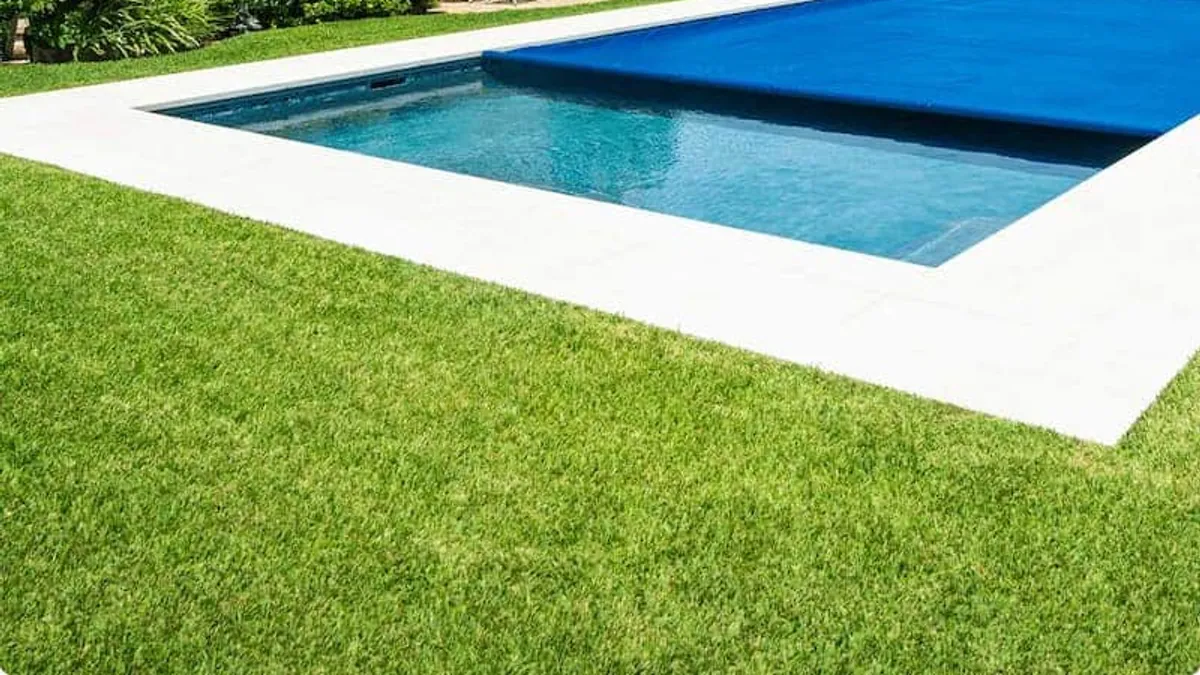
Your client needs a cover price for a pool project. One supplier sends a low number with two lines of description. Another sends a higher price with tracks, controls, packing and drawings listed separately. Those figures do not describe the same job, so passing the cheaper one into your quotation is risky.
An automatic pool cover is a project system. The slats must suit the span and operating conditions. The roller, track and pit detail must fit the pool edge. Electrical and delivery scope also have to be defined. A useful budget starts with those interfaces, not a price per square metre.
Use the seven inputs below to bring every supplier back to the same scope. Anything not yet confirmed can be marked TBC.
1. State whether the pool is skimmer or overflow
The water-level system changes where the cover can run and where the roller can sit.
A skimmer pool normally has a dry wall between the water and coping. An overflow or deck-level pool has a channel and grating that must remain functional. Two pools with the same length and width can therefore need different tracks, pit details and civil work.
If the edge type is not clear from the plan, start with the skimmer vs overflow cover guide and request one section through the pool wall.
2. Quote from the waterline geometry
Record the length and width at the waterline, not at the outside of the coping. Curves, steps, bridges and features that cross the cover path can change fabrication or make a preferred arrangement unsuitable.
For an existing pool, measure the width in several places. Built walls are not always parallel, and a single dimension can hide that problem until installation.
3. Name the exact slat profile
"PVC" and "polycarbonate" are material families, not complete specifications. The quote should identify the profile, colour, UV construction, recommended span, end-cap detail and stated compatibility with the proposed water treatment.
The PVC and polycarbonate slat guide explains what to compare. Ask for the actual profile datasheet before treating one option as equivalent to another.
4. Define the roller location
A recessed pit keeps the mechanism out of sight, but it introduces drainage, access, lid and waterproofing interfaces. Use our automatic pool cover recess dimensions guide to budget the pit sizing and civil interfaces correctly. A bench or above-ground roller usually needs less structural work, although it remains visible and uses deck space.
Keep the cover equipment and site work on the same comparison sheet. A lower equipment price can lead to a higher installed cost when the civil scope is missing.
5. Tell the supplier whether this is a new build or retrofit
On a new pool, pits, cable routes and niches can be coordinated before concrete and finishes are complete. On an existing pool, the solution has to work with the built edge and available deck area.
If there is no CAD file, use the retrofit measurement and photo guide. A dimensioned sketch and clear photos are enough for an initial review. Fabrication dimensions still need project verification.
6. Confirm the electrical basis
List voltage, frequency and phase from the project electrical information. Do not copy them from an earlier job in the same country. Also define whether the scope includes a key switch, a control panel or an interface with another system.
The same check applies to a wider equipment package. Use the GCC voltage and frequency checklist to keep every powered item aligned.
7. Put the delivery boundary in writing
EXW, FOB, delivery to port and delivery to site are different prices. State the destination, packing requirement, document requirement and local clearance responsibility.
For Saudi orders, check classification and conformity requirements against the actual products and HS codes. The SABER and SASO preparation guide shows which questions belong at quotation stage.
What to send for a workable budget
Put these items in one message or folder:
- A plan with waterline dimensions.
- An edge section showing the water, coping and any overflow channel.
- The construction stage and whether the pool is new or existing.
- The preferred roller location and concealment requirement.
- The preferred slat, or a request for two named alternatives.
- Project electrical data, with unknown values marked TBC.
- Destination city or port and required-on-site date.
The automatic cover drawing checklist expands this into a 12-point pack when the project is ready for a detailed review.
Our China-side review covers missing inputs, supplier configuration and a quotation built around one scope. Final dimensions, structural details, electrical design, installation and local approval stay with the contractor, project engineer and importer of record.
If the cover is only one line in a new pool project, send the equipment list at the same time. We can review the cover separately while keeping the equipment package and shipment plan visible.
Drop the drawing and destination into the WhatsApp chat below. We will start with the missing information, so you can compare complete scopes before comparing prices.